
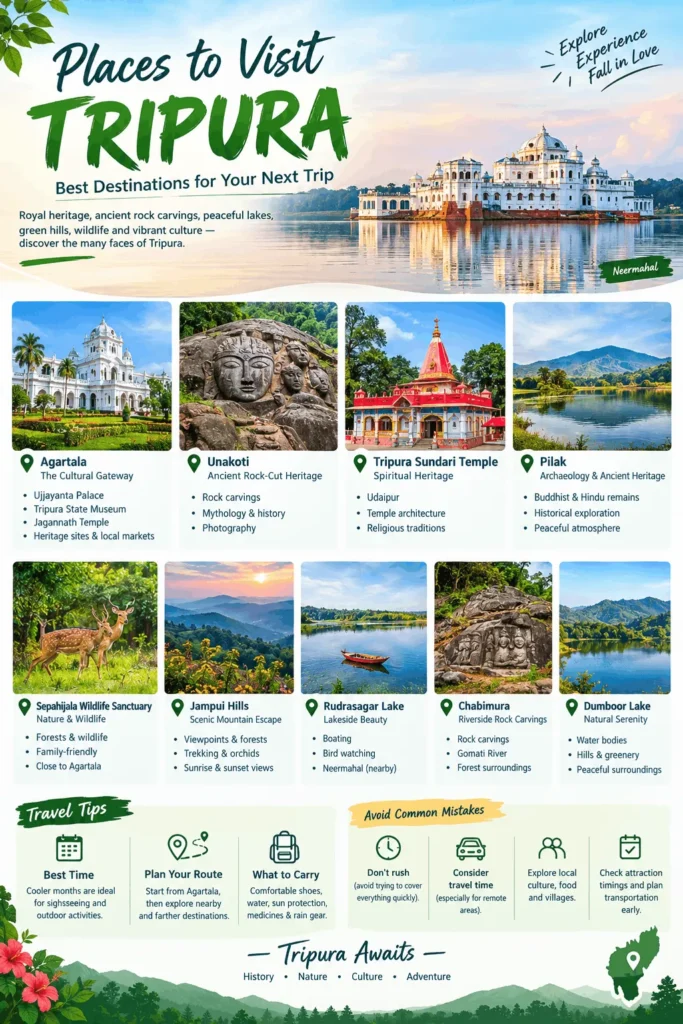
Places to visit Tripura offer a fascinating mix of royal heritage, ancient rock carvings, peaceful lakes, green hills, wildlife and vibrant local culture. Located in Northeast India, Tripura is a rewarding destination for travelers who want to explore beyond the country’s more frequently visited tourist circuits.
From the historic capital of Agartala to the remarkable sculptures of Unakoti and the scenic beauty of Jampui Hills, the state has destinations suitable for history lovers, nature enthusiasts, families, photographers and adventure seekers. This Tripura travel guide covers the major attractions, practical planning tips and things to consider before your journey.
Best Places to Visit in Tripura
The best places to visit in Tripura combine cultural attractions with natural landscapes. Depending on your interests and available time, you can explore royal palaces, archaeological sites, wildlife sanctuaries, hill stations and lakes.
1. Agartala – The Cultural Gateway to Tripura
Agartala is one of the first places travelers should explore when planning a Tripura itinerary. As the state capital, it provides convenient access to several attractions and offers an introduction to Tripura’s history and culture.
One of the city’s major attractions is Ujjayanta Palace, a former royal residence that now houses the Tripura State Museum. The palace complex showcases aspects of the region’s history, art, culture and traditional life.
If you are searching for places to visit in Agartala, consider adding:
- Ujjayanta Palace
- Tripura State Museum
- Jagannath Temple
- Heritage and palace-area attractions
- Local markets and traditional shopping areas
Agartala works particularly well as the starting point for exploring other Tripura tourist places.
2. Neermahal – The Water Palace
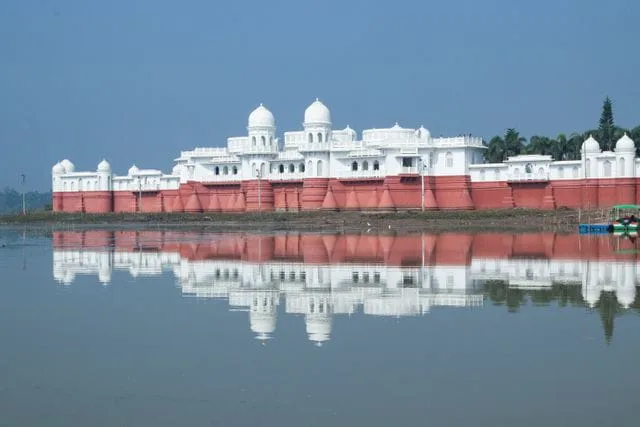
Neermahal is among the most distinctive attractions in the state. Located in the middle of Rudrasagar Lake near Melaghar, this former royal summer palace combines architectural elements associated with Hindu and Muslim traditions.
The palace is especially attractive when viewed across the water, making it a popular destination for photography and sightseeing. Boating and other activities around Rudrasagar Lake can add another dimension to the visit.
For travelers researching Neermahal Palace Tripura, the attraction is worth including in an itinerary that combines heritage with nature.
Rudrasagar Lake also attracts resident and migratory birds, making the surrounding landscape interesting for nature lovers.
Historical and Cultural Places in Tripura
Tripura has a long cultural history, and some of its most memorable attractions are connected with archaeology, religion and royal traditions.
3. Unakoti – Ancient Rock-Cut Heritage
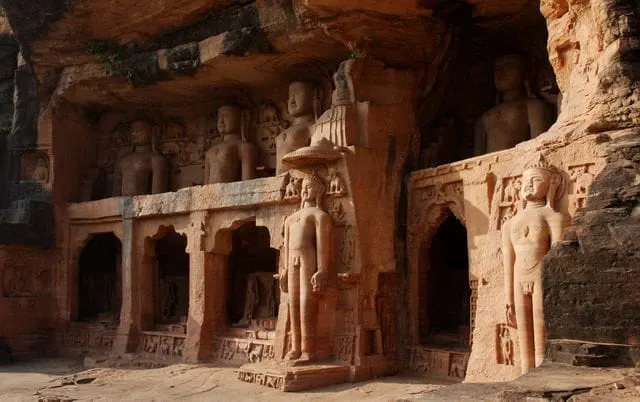
Unakoti is one of the most fascinating historical destinations in Tripura. The site is known for enormous rock-cut sculptures and carvings associated with Hindu traditions.
The scale and setting of the carvings make Unakoti particularly different from conventional temple destinations. Visitors interested in archaeology, mythology, history and photography can spend time exploring the rock formations and surrounding landscape.
Unakoti rock carvings are also an important reason to travel beyond Agartala and explore northern Tripura.
If you are planning a cultural itinerary, allow enough time to appreciate the site rather than treating it as a quick stop.
4. Tripura Sundari Temple – Spiritual Heritage
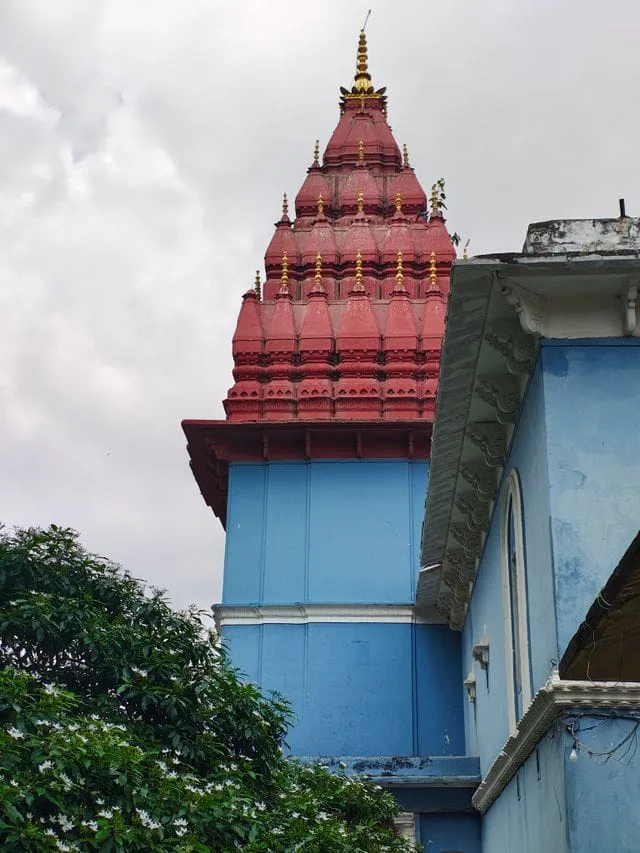
Located at Udaipur, the Tripura Sundari Temple is an important religious destination and one of the state’s prominent pilgrimage sites.
The temple attracts devotees and visitors interested in architecture, culture and religious traditions. Udaipur itself can be included in a broader route covering historical and natural attractions.
For travelers looking for culturally significant places to visit Tripura, the temple provides a different experience from the state’s palaces, forests and hill destinations.
5. Pilak – Archaeology and Ancient Heritage
Pilak is another destination for travelers interested in archaeology and history. The area is associated with ancient Buddhist and Hindu archaeological remains.
Its quieter atmosphere makes it suitable for visitors who prefer exploring lesser-known historical locations instead of crowded tourist centers.
Nature and Wildlife Destinations
Nature is one of the major reasons to include Tripura in a Northeast India itinerary. Forested landscapes, hills, lakes and wildlife areas provide opportunities for sightseeing away from urban centers.
6. Sepahijala Wildlife Sanctuary
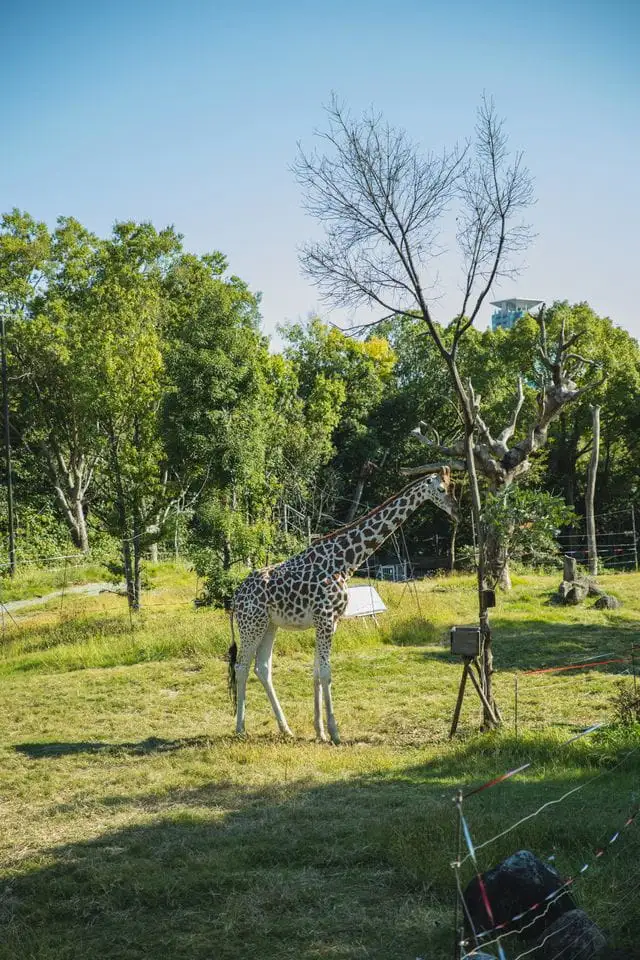
Sepahijala Wildlife Sanctuary is a notable nature destination in Tripura. It offers visitors an opportunity to experience the state’s forest environment and wildlife.
The sanctuary is particularly suitable for travelers who want to include nature and wildlife in their itinerary. It can also work well for families looking for an outdoor attraction within reach of Agartala.
Sepahijala Wildlife Sanctuary is one of the useful additions to a list of places to visit near Agartala, particularly for travelers interested in combining city sightseeing with nature.
7. Jampui Hills – Scenic Mountain Escape
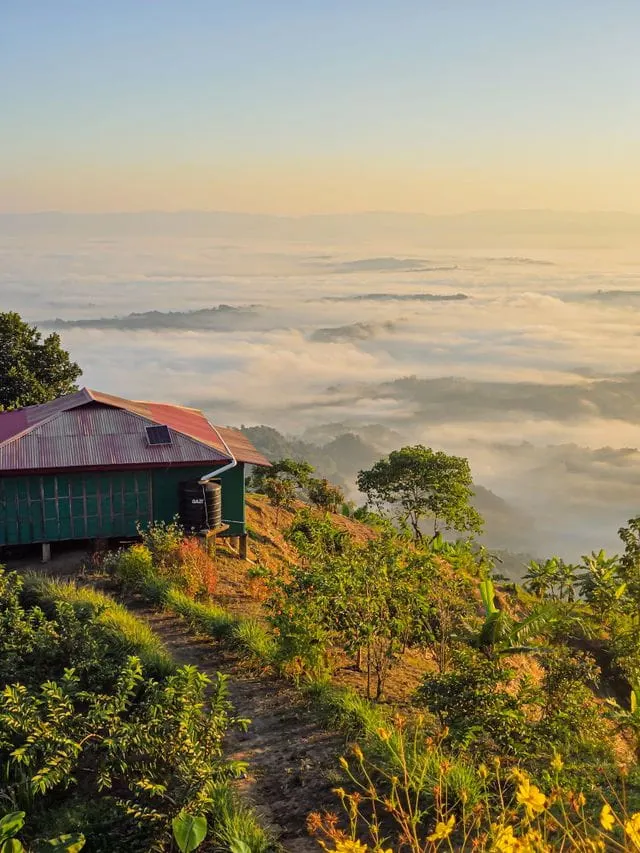
Jampui Hills is one of the most attractive destinations for travelers seeking greenery, hills and peaceful surroundings. Located in northern Tripura, the hill range is known for its pleasant climate, viewpoints, forests, orchids, villages and trekking opportunities.
The area also offers panoramic views toward surrounding valleys and parts of Mizoram. Betlingchip, the highest peak in the hill range, is associated with scenic sunrise and sunset views.
Jampui Hills Tripura is particularly appealing for:
- Nature photography
- Sunrise and sunset views
- Trekking
- Village experiences
- Quiet hill getaways
- Scenic road trips
Because Jampui Hills is considerably farther from Agartala than many major attractions, travelers should plan transportation and accommodation in advance.
More Places to Visit Tripura
Beyond the major destinations, Tripura has several attractions that can be included depending on your route and interests.
8. Rudrasagar Lake
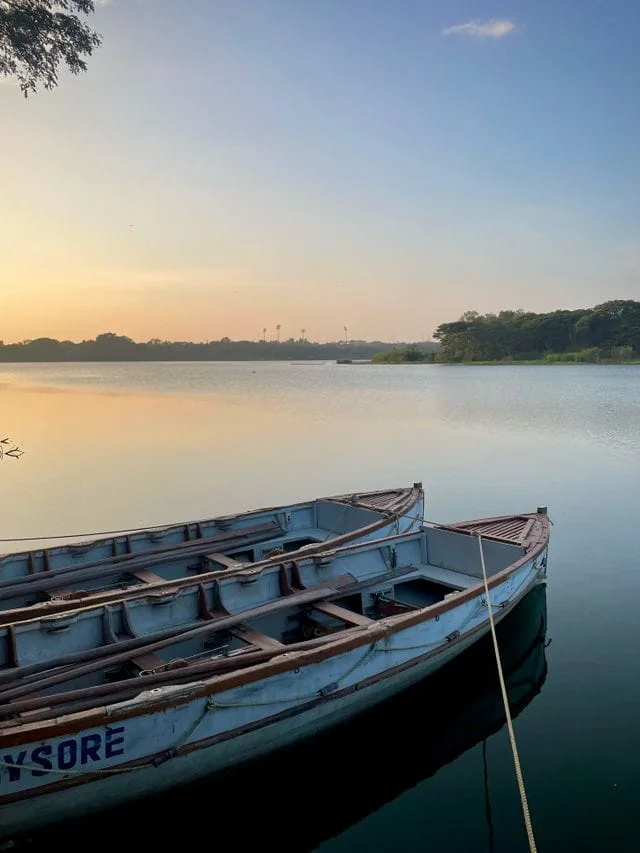
Rudrasagar Lake is closely associated with Neermahal and is an attraction in its own right. The lake provides a peaceful natural setting and supports birdlife. Visitors can combine lake views, boating and the palace experience during the same excursion.
9. Chabimura
Chabimura is known for impressive rock carvings located along the Gomati River. The combination of river scenery, forested surroundings and sculpted rock faces makes it an interesting destination for travelers looking for less conventional experiences.
10. Dumboor Lake
Dumboor Lake is another scenic destination associated with Tripura’s natural landscapes. The area is suitable for travelers who enjoy water bodies, hills and peaceful surroundings.
When creating an itinerary, these destinations can be combined according to distance rather than attempting to visit everything in a short trip.
Practical Tips for a Tripura Travel Guide
Planning your journey carefully can make exploring the state much easier.
Best Time to Visit
The cooler months are generally comfortable for sightseeing, outdoor activities and exploring historical attractions. Hill destinations such as Jampui Hills can offer a particularly pleasant experience during suitable weather.
Before traveling, check current weather and local conditions, especially if your itinerary includes remote hill areas.
How to Plan Your Route
A practical itinerary can begin in Agartala and then branch toward nearby attractions before moving farther into the state.
For example:
- Start with Agartala and Ujjayanta Palace.
- Explore nearby cultural and nature attractions.
- Visit Neermahal and Rudrasagar Lake.
- Continue toward Udaipur and other southern attractions.
- Plan a separate trip toward Unakoti or Jampui Hills depending on available time.
Do not underestimate travel time between destinations. A destination that looks close on a map may require considerably longer road travel.
What to Carry
Pack according to the season and activities planned. Comfortable walking shoes are useful for archaeological sites, temples and nature attractions. Carry drinking water, sun protection and basic medicines, and keep rain protection handy during wetter periods.
For remote destinations, confirm accommodation and transport arrangements before leaving major towns.
Common Mistakes to Avoid When Visiting Tripura
A few simple planning mistakes can affect your travel experience.
- Trying to cover the entire state too quickly: Tripura has attractions spread across different districts.
- Ignoring travel time: Remote destinations can require several hours of road travel.
- Skipping local culture: Temples, villages, food and traditional markets add depth to the trip.
- Not checking attraction timings: Museums, temples and protected areas may have specific visiting hours.
- Planning only around famous attractions: Lesser-known destinations such as Chabimura and Pilak can make your itinerary more varied.
- Leaving transportation until the last minute: This is particularly important for hill and rural destinations.
FAQs About Places to Visit Tripura
What are the best places to visit Tripura?
Some of the major places to visit Tripura include Agartala, Ujjayanta Palace, Neermahal, Unakoti, Tripura Sundari Temple, Sepahijala Wildlife Sanctuary, Jampui Hills, Chabimura and Rudrasagar Lake.
What are the best places to visit in Agartala?
The most notable places to visit in Agartala include Ujjayanta Palace and the Tripura State Museum, along with temples, local markets and other cultural attractions. Ujjayanta Palace is particularly important for understanding the region’s royal and cultural history.
Is Jampui Hills worth visiting?
Jampui Hills is a good choice for travelers interested in scenic landscapes, viewpoints, forests, trekking, villages and a quieter hill environment. The official tourism information highlights its panoramic views, orchids, trekking routes and pleasant climate.
How many days are enough to explore Tripura?
A trip of around 4–6 days can provide a useful introduction to major Tripura tourist places, although the ideal duration depends on your route. Travelers wanting to include distant destinations such as Jampui Hills and Unakoti should allow additional time.
What makes Tripura different from other Northeast destinations?
Tripura combines royal heritage, archaeological sites, religious attractions, lakes, forests and hill landscapes within a relatively compact state. Destinations such as Neermahal, Ujjayanta Palace and Unakoti give the state a distinctive cultural character.
The places to visit Tripura offer a balanced combination of history, spirituality, architecture, wildlife and natural beauty. Agartala introduces visitors to the state’s royal heritage, while Neermahal adds a spectacular lakeside experience. Unakoti provides a glimpse into ancient rock-cut heritage, and Jampui Hills offers scenic landscapes and peaceful mountain surroundings.
For the best experience, build your itinerary around geographical regions rather than trying to see every attraction at once. Give yourself enough time for road journeys, explore local culture and keep your plans flexible for weather and local conditions.
Whether you are interested in heritage, nature, photography, pilgrimage or quiet getaways, Tripura can provide a rewarding Northeast India travel experience.
Explore our more blog content: Places to Visit Tamil Nadu: Best Destinations for Your Next Trip