
Introduction
Places to visit Sikkim range from lively mountain towns and historic monasteries to alpine valleys, sacred lakes, waterfalls, and spectacular Himalayan viewpoints. Whether you are planning a short holiday or a longer mountain journey, choosing the right destinations can make a major difference to your experience.
Sikkim sits in the Eastern Himalayas and is home to Kangchenjunga, rich biodiversity, and a distinctive blend of Lepcha, Bhutia, and Nepali cultures. The state also combines nature, spirituality, adventure, and village experiences within a relatively compact region. Sikkim Tourism
This guide covers the most useful destinations for first-time visitors, explains what makes each place worth visiting, and highlights practical considerations such as weather, permits, road conditions, and travel time.
Best Places to Visit Sikkim
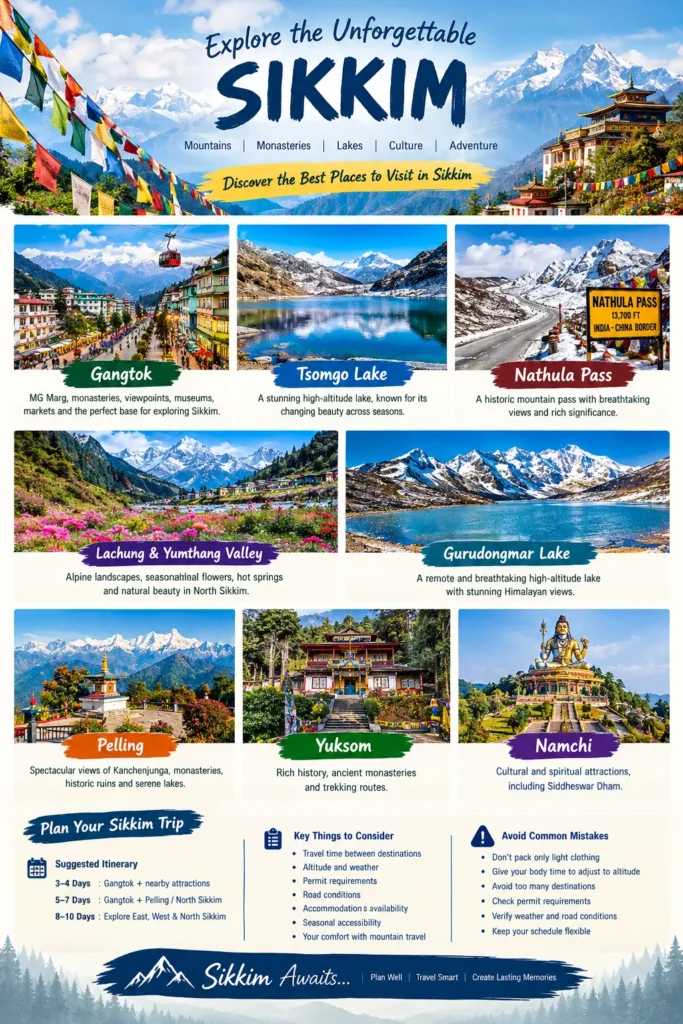
Gangtok: The Best Base for Exploring East Sikkim
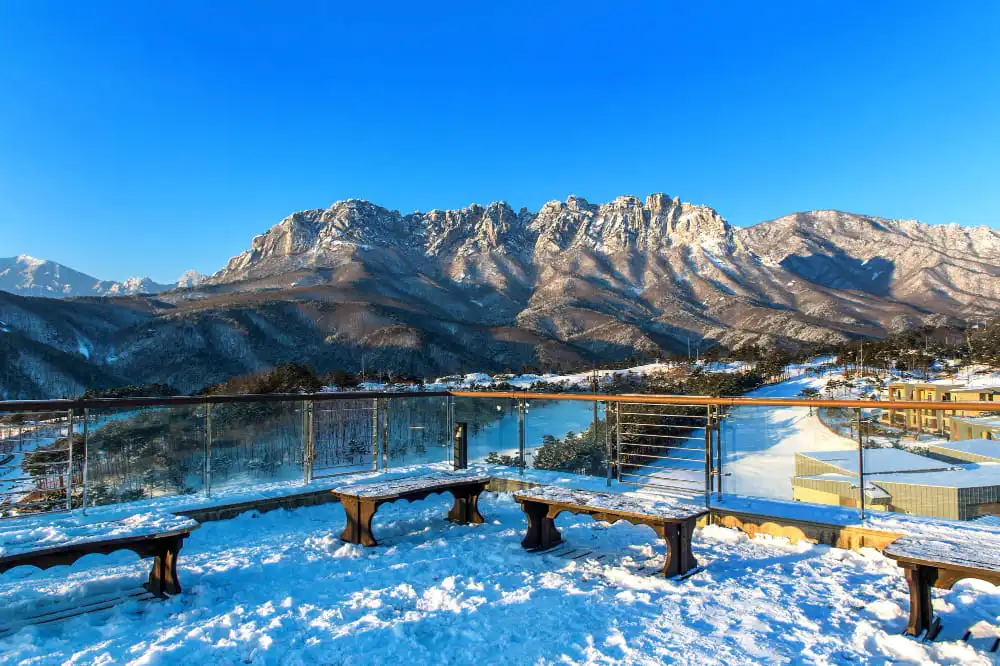
Gangtok is the capital and one of the most convenient starting points for exploring Sikkim. It combines mountain scenery with monasteries, viewpoints, markets, restaurants, and easy access to several major attractions. Sikkim Tourism
Among the most popular Sikkim tourist places, Gangtok works particularly well for travelers who want a mixture of sightseeing and comfortable city amenities.
Things to explore include:
MG Marg and the central market areaTashi View Point
Ganesh Tok and Hanuman Tok
Rumtek Monastery
Local monasteries and cultural sites
Tsomgo Lake and Nathula Pass excursions
Gangtok is also a practical base for day trips toward East Sikkim. If you are searching for places to visit in Gangtok, allow at least two full days to experience the town and nearby attractions without rushing.
Pelling: Mountain Views, Monasteries and History
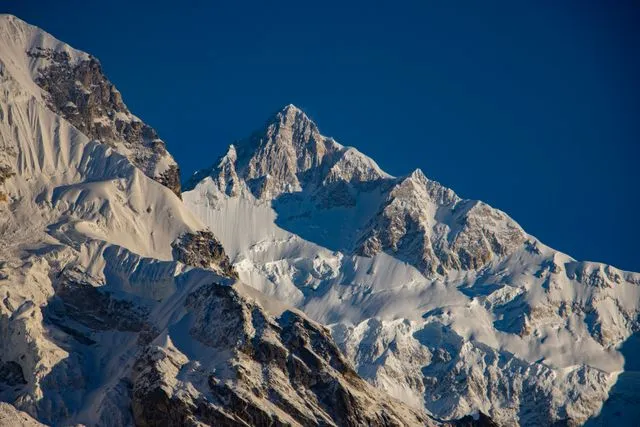
Pelling is one of the key destinations in West Sikkim and is particularly appealing to travelers seeking mountain scenery, heritage, and a quieter atmosphere.
The area is associated with attractions such as the Pelling Skywalk, Sanga Choeling Monastery, Pemayangtse Monastery, Rabdentse Ruins, and nearby waterfalls. Government tourism planning documents identify Pelling as a major tourism destination in West Sikkim. Sikkim Tourism
The surrounding landscape also provides opportunities to appreciate views of the Kanchenjunga range.
For travelers researching Pelling Sikkim, the destination is especially suitable for:
Scenic mountain views
Monastery visits
Heritage exploration
Photography
Relaxed village and nature experiences
Yumthang Valley: A High-Altitude Himalayan Landscape
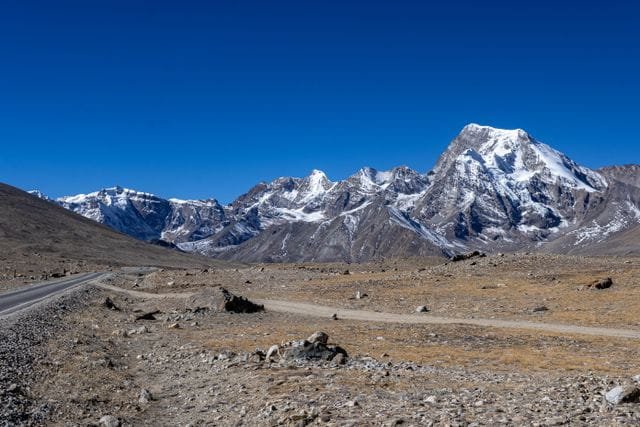
Yumthang Valley is among the most distinctive places to visit Sikkim, particularly for travelers interested in alpine scenery and seasonal landscapes.
Located in North Sikkim, Yumthang is known for its broad mountain valley, surrounding peaks, vegetation, and changing seasonal appearance. Sikkim Tourism describes Yumthang as a panoramic Valley of Flowers and highlights the area’s alpine scenery and hot springs. Sikkim Tourism
The journey normally involves staying in the North Sikkim region rather than treating Yumthang as a quick day trip from Gangtok.
If your itinerary includes North Sikkim, plan carefully because access is regulated and road conditions can change. Current Sikkim Tourism guidance states that the Lachen–Lachung–Yumthang–Thangu Valley requires a Protected Area Permit, with permits generally handled through authorised channels and registered travel agencies. Sikkim Tourism+1
Tsomgo Lake: A Scenic Day Trip from Gangtok
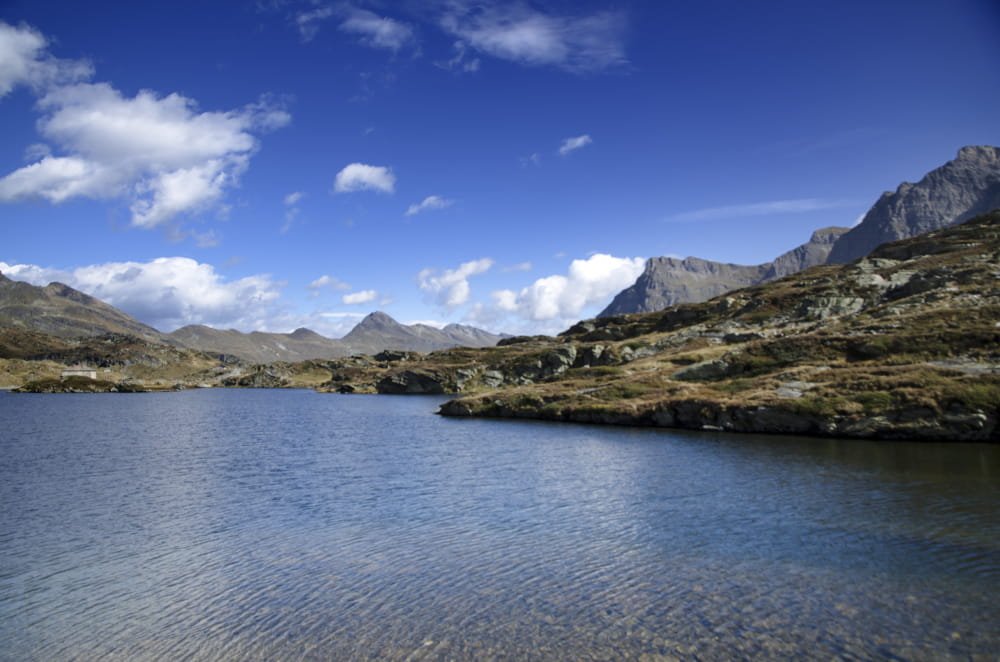
Tsomgo Lake, also known as Changu Lake, is one of the most popular alpine attractions near Gangtok. The lake sits at high altitude and changes character with the seasons.
Official tourism information places Tsomgo Lake roughly 38 km from Gangtok and notes its sacred significance, surrounding vegetation, and seasonal transformation. Sikkim Tourism
A trip to Tsomgo Lake can be combined with other East Sikkim attractions depending on the route and current permissions.
Because of the altitude, visitors should dress warmly, stay hydrated, and avoid treating the excursion like an ordinary low-altitude sightseeing trip. A Protected Area Permit is required. Sikkim Tourism
Nathula Pass: History and Himalayan Landscapes
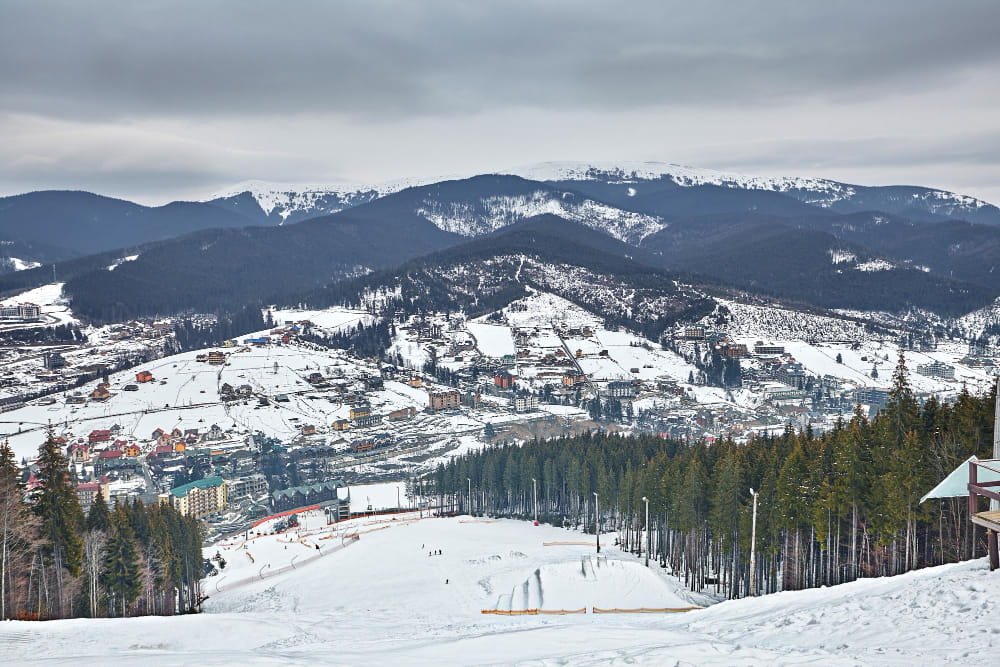
Nathula Pass is a high-altitude mountain pass on the historic route between Sikkim and Tibet. Its strategic location and dramatic Himalayan surroundings make it a notable addition to an East Sikkim itinerary.
A visit to Nathula Pass requires advance planning. Sikkim Tourism states that access is regulated through permits and registered travel agencies, and foreign tourists are not permitted to visit Nathula. Sikkim Tourism
High altitude also means that weather can change quickly. Travelers should follow local instructions and avoid assuming that a planned visit will always be possible.
More Places to Visit in Sikkim
Ravangla: Peaceful Mountain Views and Buddha Park
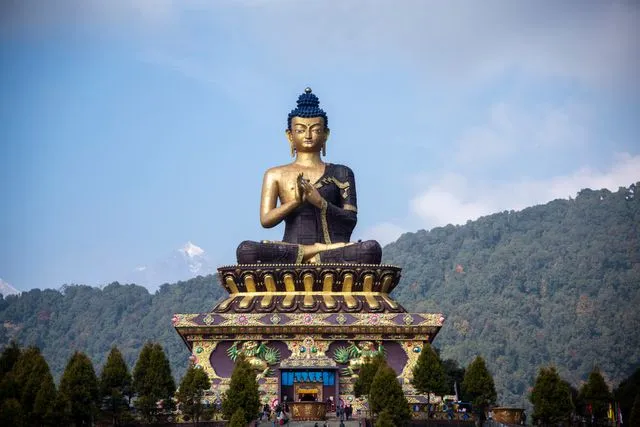
Ravangla in South Sikkim offers a slower-paced alternative to the busier tourist centres. Its mountain setting and cultural attractions make it a useful stop for travelers exploring southern Sikkim.
Buddha Park is a prominent attraction, while the wider region provides access to mountain scenery and local communities. Sikkim Tourism lists Ravangla among the principal tourism destinations in South Sikkim. Sikkim Tourism
Namchi: Culture, Views and Religious Attractions
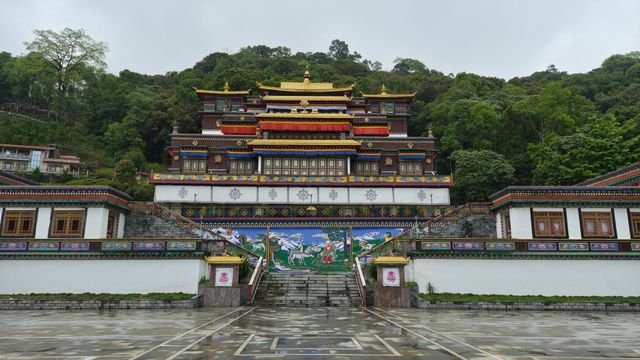
Namchi is another important destination in South Sikkim. The area is known for its views of the Khangchendzonga range and attractions such as Samdruptse Hill, which features a large statue of Guru Padmasambhava. Sikkim Tourism
Namchi can work well in a broader southern Sikkim itinerary, particularly for visitors interested in cultural attractions rather than only high-altitude landscapes.
Yuksom: History and Trekking
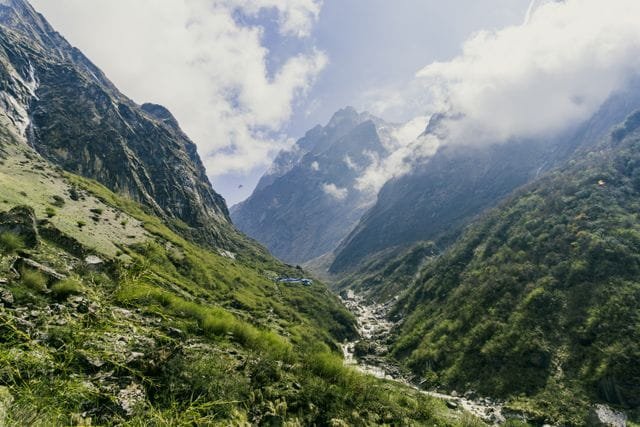
Yuksom holds an important place in Sikkim’s history. It was the first capital of the former kingdom, and the first Chogyal was consecrated there in 1642. Sikkim Tourism
It is also associated with trekking routes and access toward the Khangchendzonga landscape. For travelers interested in combining cultural history with outdoor experiences, Yuksom is an important stop.
Khecheopalri Lake: A Sacred Natural Landmark
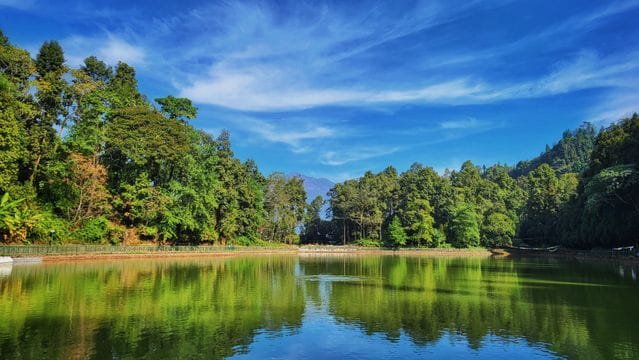
Khecheopalri Lake is a significant pilgrimage and nature destination in West Sikkim. Tourism documentation identifies it as sacred to both Buddhists and Hindus and describes the lake as a major attraction in the region. Sikkim Tourism
The peaceful forested surroundings make it a natural addition to a West Sikkim route that includes Pelling and nearby heritage sites.
Rabdentse Ruins and Pemayangtse
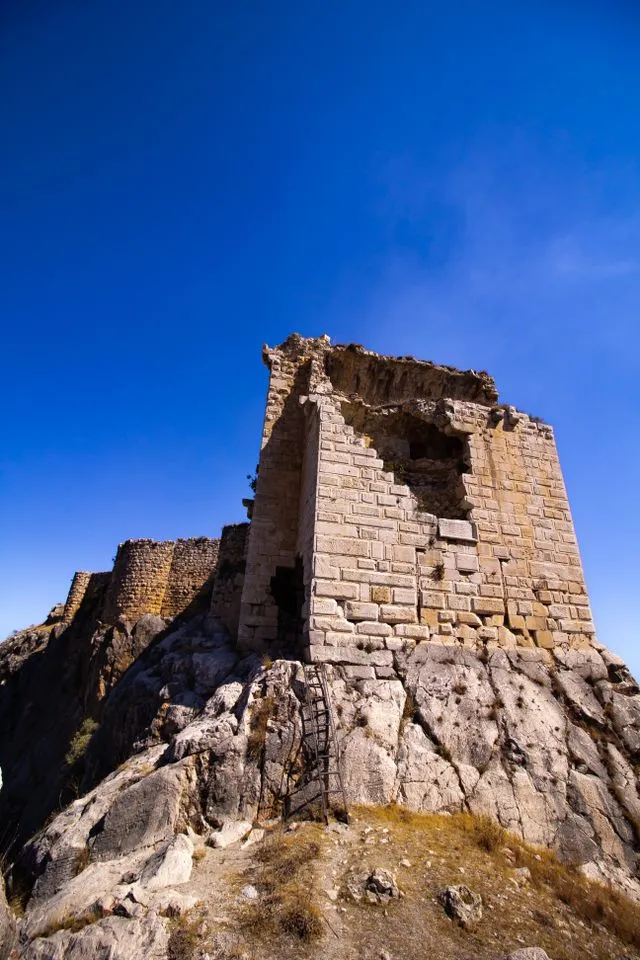
History enthusiasts should consider visiting Rabdentse Ruins and Pemayangtse Monastery while exploring West Sikkim.
Rabdentse was the second capital of Sikkim, while Pemayangtse is one of the state’s important historic monasteries. Government tourism material identifies both among the major attractions around Pelling. Sikkim Tourism+1
Together, they show a different side of Sikkim—one focused on history, architecture, religion, and cultural heritage rather than only mountain scenery.
Practical Tips for Planning Your Sikkim Trip
Choose Your Destinations by Region
Sikkim is easier to explore when your itinerary is organized geographically.
A practical approach is:
East Sikkim: Gangtok, Tsomgo Lake and Nathula Pass
North Sikkim: Lachung, Yumthang and other permitted high-altitude destinations
West Sikkim: Pelling, Pemayangtse, Rabdentse, Yuksom and Khecheopalri
South Sikkim: Ravangla and Namchi
Trying to cover every region during a short holiday can result in long road journeys and little time at each destination.
Consider the Best Time to Visit Sikkim
The best time to visit Sikkim depends on what you want to see.
Spring, particularly March to May, brings pleasant conditions and flowering landscapes. Autumn, especially October through mid-December, is known for clearer Himalayan views. Monsoon can bring heavy rainfall and occasional road disruption, while winter brings cold conditions and snow at higher elevations. Sikkim Tourism
For high-altitude destinations, always check current road and permit conditions before departure.
Plan Permits Before High-Altitude Excursions
Some of the most popular places to visit Sikkim are located inside regulated or protected areas.
Current Sikkim Tourism guidance specifies permit requirements for destinations including Tsomgo Lake, Nathula Pass and North Sikkim routes. Requirements can differ by destination and traveler category. Sikkim Tourism
North Sikkim access also has specific itinerary requirements. A September 2025 government notification stated that Lachung visits must follow a three-day/two-night itinerary and that permits must be issued at least one day in advance. Sikkim Tourism
Check the latest official rules immediately before traveling rather than relying on an old itinerary or blog post.
Common Mistakes and Important Considerations
A few planning mistakes can make a Sikkim trip unnecessarily difficult.
Packing only for mild weather: High-altitude areas can be extremely cold even when Gangtok feels comfortable.
Ignoring altitude: Tsomgo Lake, Nathula and North Sikkim destinations are considerably higher than Gangtok.
Planning too many destinations: Mountain roads make journey times longer than map distances suggest.
Leaving permits until the last minute: Restricted destinations require advance arrangements.
Assuming every route operates year-round: Weather, landslides, snow and official restrictions can affect access.
Treating nature as disposable: Follow local rules, avoid littering, and respect wildlife and protected landscapes.
Responsible travel is particularly important in a Himalayan state with sensitive ecosystems. Sikkim Tourism explicitly promotes clean, sustainable tourism and responsible visitor behaviour. Sikkim Tourism
FAQs
What are the best places to visit Sikkim for first-time travelers?
For a first trip, a combination of Gangtok, Pelling and one high-altitude region provides a useful introduction to Sikkim’s city life, culture, scenery and Himalayan landscapes.
How many days are enough for Sikkim?
A week can provide a good introduction, while longer trips allow you to combine East, West, North and South Sikkim without rushing. Your final duration should depend on road conditions, permits and the number of regions you want to cover.
Which places to visit in Gangtok should I prioritize?
Start with the central town and viewpoints, then consider Rumtek and an excursion toward Tsomgo Lake. Nathula can be added if current permits and conditions allow.
Is North Sikkim open to tourists?
Access depends on current government regulations, permits, road conditions and destination-specific restrictions. Sikkim Tourism currently lists several North Sikkim destinations as open under regulated access. Sikkim Tourism
Is Pelling worth including in a Sikkim travel itinerary?
Pelling is useful for travelers interested in Kanchenjunga views, monasteries, heritage sites, waterfalls and a quieter West Sikkim experience. It can be combined with nearby attractions such as Pemayangtse, Rabdentse and Khecheopalri.
The best places to visit Sikkim depend on the kind of Himalayan experience you want. Gangtok is convenient and varied, Pelling combines scenery with heritage, Yumthang offers high-altitude landscapes, Tsomgo Lake provides an accessible alpine experience, and destinations such as Ravangla, Namchi and Yuksom reveal the state’s cultural and historical depth.
Rather than trying to see everything, build your Sikkim travel itinerary around two or three regions and leave enough flexibility for mountain weather, road conditions and permits. Before setting out, verify current requirements through the official Sikkim Tourism authorities, particularly for protected and high-altitude destinations. Sikkim Tourism+1
Plan Your Sikkim Journey
Ready to explore the mountains, monasteries, lakes and valleys of Sikkim? Choose your regions, check the latest travel requirements, and build an itinerary that gives you enough time to experience each destination rather than simply passing through it.
More Explore Our Blog : Best Places to Visit Andaman and Nicobar Islands