
Introduction
Traditional Food of West Bengal reflects a culinary culture shaped by rivers, fertile farmland, seasonal produce, local spices, and generations of home cooking. From delicate fish preparations and comforting rice dishes to crispy snacks and famous sweets, Bengali food offers an impressive balance of flavor, texture, and aroma.
For travelers, food lovers, and anyone interested in Indian regional cuisine, exploring Bengali dishes is an excellent way to understand West Bengal’s culture. Food here is not simply about filling a meal; many recipes are connected with family traditions, festivals, celebrations, and everyday life.
This guide explores the most important dishes, ingredients, cooking traditions, and eating experiences that make West Bengal’s cuisine distinctive.
What Makes Bengali Cuisine Special?
Bengali cuisine is known for its thoughtful use of spices rather than excessive heat. Mustard oil, mustard seeds, nigella seeds, cumin, turmeric, ginger, green chilies, and panch phoron are commonly associated with the region’s cooking.
Rice and fish are particularly important, especially in many traditional households. However, the cuisine also offers a wide variety of vegetarian recipes, lentil preparations, vegetables, snacks, and desserts.
The Role of Rice, Fish, and Mustard
Rice forms the foundation of many Bengali meals. Different preparations range from simple steamed rice to fragrant pulao and festive dishes. Fish is another important ingredient, with freshwater varieties such as hilsa, rohu, and katla appearing in many regional recipes.
Mustard adds a distinctive sharpness to several preparations. It can be used as mustard oil, mustard paste, or mustard seeds, creating flavors that are immediately recognizable in Bengali cooking.
Famous Bengali Dishes You Should Try
When exploring famous Bengali dishes, it is useful to look beyond one or two well-known recipes. Bengali cooking includes everyday meals, elaborate festive preparations, seafood specialties, vegetarian dishes, and sweets.
Bengali Fish Curry
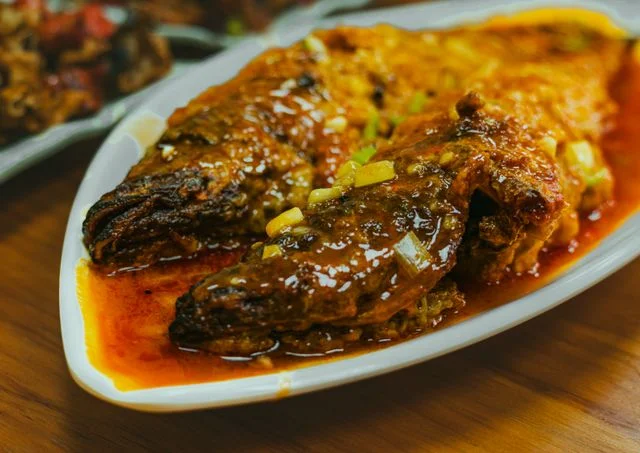
A Bengali fish curry can vary considerably depending on the fish, spices, and cooking style. Rohu and katla are commonly prepared with turmeric, cumin, tomatoes, onions, or other regional ingredients.
The result is often served with steamed rice, allowing the curry and rice to complement each other without overwhelming the natural flavor of the fish.
Shorshe Ilish
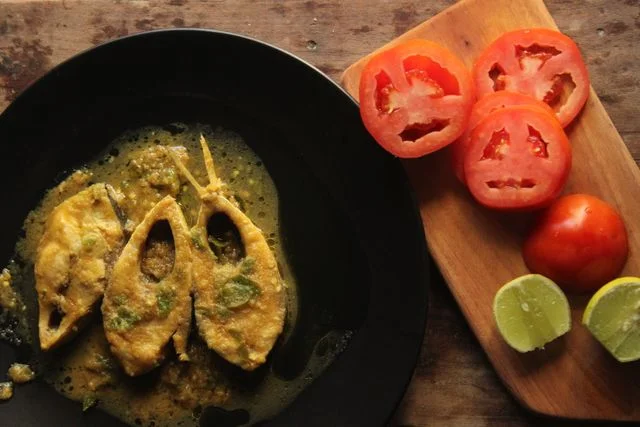
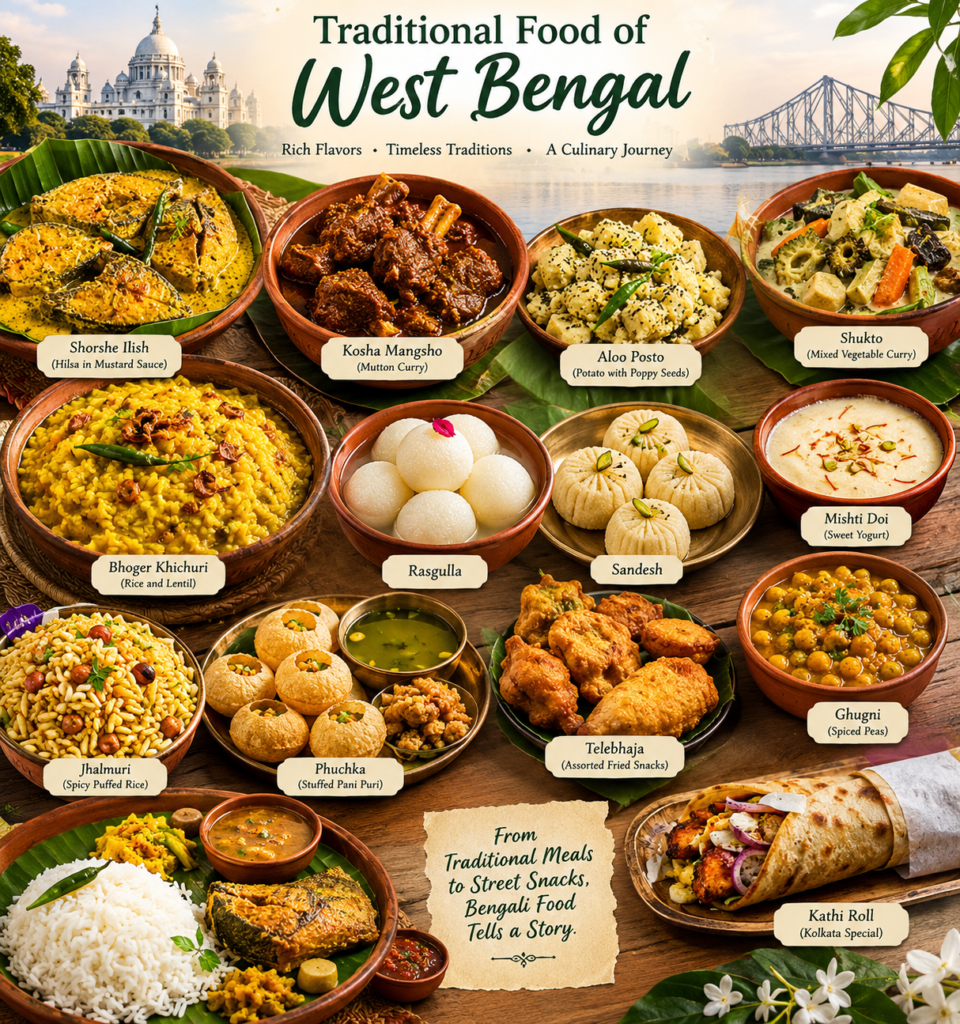
Shorshe Ilish is one of the most recognizable fish preparations associated with Bengal. Hilsa is cooked with mustard paste and spices, producing a rich, pungent, and aromatic dish.
Because hilsa is strongly associated with Bengali food culture, this preparation is especially popular during special meals and seasonal occasions.
Kosha Mangsho
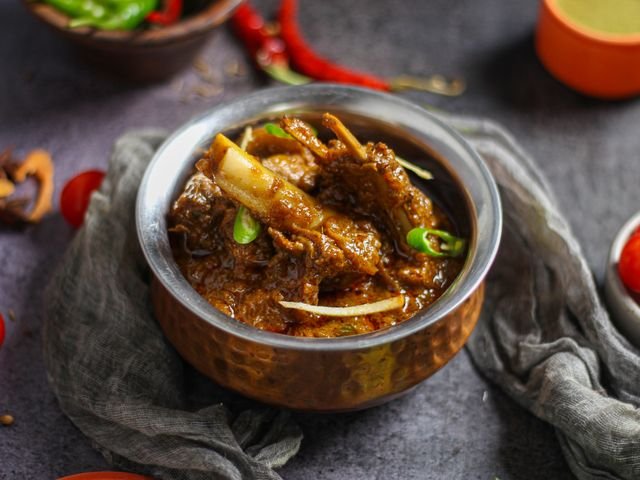
Kosha Mangsho is a slow-cooked mutton preparation made by cooking meat with onions, ginger, garlic, spices, and mustard oil. The long cooking process creates a thick, dark, intensely flavored gravy.
It is commonly enjoyed with rice, luchi, or other traditional accompaniments and is particularly popular during celebratory meals.
Traditional Bengali Sweets and Desserts
No discussion of Bengali food is complete without traditional Bengali sweets. West Bengal has a remarkable dessert culture, with milk-based sweets, syrup-soaked preparations, and festive desserts found throughout the state.
Rasgulla and Sandesh
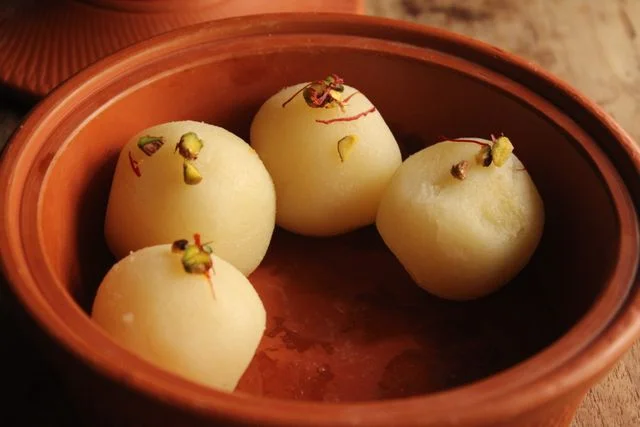
Rasgulla is made from chhena, or fresh cottage cheese, shaped into balls and cooked in sugar syrup. Its soft texture and light sweetness have made it one of the best-known Bengali sweets.
Sandesh is another classic preparation made primarily from chhena and sugar. It can be simple and mildly sweet or flavored with ingredients such as cardamom, saffron, or seasonal additions.
Other sweets worth trying include mishti doi, payesh, chomchom, and rajbhog.
Bengali Vegetarian Dishes and Everyday Meals
Although fish and meat receive considerable attention, Bengali vegetarian dishes are equally important. Vegetables are often prepared according to the season, making everyday Bengali meals diverse and practical.
Shukto and Dal
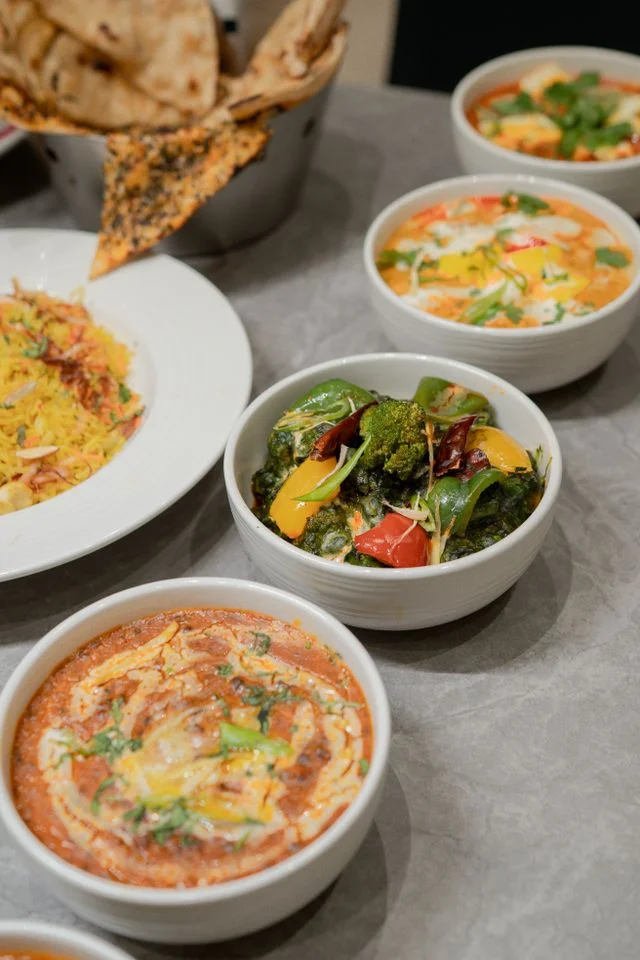
Shukto is a traditional mixed-vegetable preparation known for its mildly bitter taste. It may include vegetables such as bitter gourd, raw banana, potato, and other seasonal produce.
Dal is another everyday staple. Bengali dal preparations can be simple or enhanced with spices, vegetables, coconut, or tempering ingredients. Dal is frequently paired with rice and vegetable dishes to create a balanced meal.
Aloo Posto
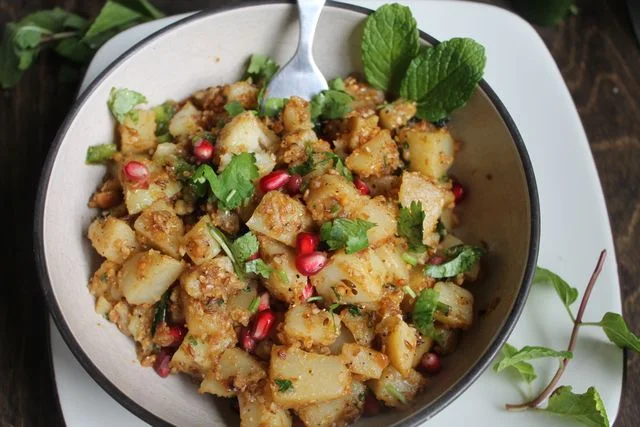
Aloo Posto combines potatoes with poppy seeds to create a mild, nutty, and comforting preparation. It is a good example of how Bengali cooking can create distinctive flavors from a relatively small number of ingredients.
Bengali Rice Dishes for Everyday and Festive Meals
Bengali rice dishes range from simple steamed rice served with dal and vegetables to elaborate preparations prepared for celebrations.
Pulao is often prepared with fragrant rice, ghee, spices, and sometimes vegetables, nuts, or raisins. Khichuri is another important dish, combining rice and lentils and often served with vegetables, fritters, or accompaniments.
Bhoger Khichuri, prepared as an offering during religious occasions, is especially associated with Bengali festive food traditions.
Kolkata Street Food and Popular Snacks
Kolkata is an important destination for anyone interested in Bengali food. The city’s food culture combines traditional Bengali recipes with snacks and street-food traditions that have developed over generations.
Bengali Snacks to Explore
Some popular Bengali snacks include:
Telebhaja, or assorted fried snacks
Singara, a Bengali-style savory pastry
Ghugni, a spiced preparation of yellow or white peas
Kathi rolls, particularly associated with Kolkata
Jhalmuri, a spicy puffed-rice snack
Phuchka, a popular street snack filled with spiced water and flavorful fillings
Kolkata street food is especially appealing because many snacks are inexpensive, quick to eat, and strongly connected with the city’s everyday culture.
Bengali Festive Food and Seasonal Traditions
Food plays an important role in celebrations across West Bengal. Bengali festive food often changes according to the occasion, season, and religious tradition.
During festivals and family celebrations, meals may include rice, dal, vegetables, fish, meat, sweets, and special desserts. Pitha is particularly associated with winter and is prepared in different forms using rice flour, coconut, jaggery, and other ingredients.
Durga Puja is another important period when families and communities enjoy special meals, sweets, snacks, and bhog. Food therefore becomes part of the social and cultural experience rather than simply a daily necessity.
How to Experience Traditional Food of West Bengal
If you are visiting West Bengal, consider these practical tips:
Try both vegetarian and non-vegetarian dishes. Bengali cuisine is much broader than fish and meat.
Eat seasonal specialties. Some preparations are best enjoyed during particular seasons.
Explore local sweet shops. Freshly prepared sweets can provide a better understanding of the region’s dessert culture.
Try street food carefully. Choose busy, hygienic places where food has a high turnover.
Ask about preparation styles. The same ingredient can taste very different depending on the cooking method.
Pair dishes with rice. Many Bengali curries and vegetable preparations are designed to complement rice.
Experience a traditional meal. A full Bengali meal can introduce you to several courses and contrasting flavors.
Common Mistakes When Exploring Bengali Food
One common mistake is assuming that Bengali cuisine is only about fish and sweets. Although both are important, the cuisine includes numerous vegetarian preparations, lentils, rice dishes, snacks, meat recipes, and seasonal foods.
Another mistake is expecting every dish to be extremely spicy. Bengali cooking often focuses on aroma, balance, mustard, fresh ingredients, and carefully selected spices rather than simply increasing chili heat.
It is also useful to remember that recipes vary between households and regions. There is no single fixed version of every Bengali dish, and preparation methods can change according to family tradition, available ingredients, and occasion.
FAQs
What is Traditional Food of West Bengal?
Traditional Food of West Bengal includes rice, fish preparations, vegetables, lentils, meat dishes, snacks, sweets, and seasonal recipes. Mustard oil, mustard paste, panch phoron, and freshwater fish are important elements of many traditional preparations.
What are the most famous Bengali dishes?
Some popular choices include Shorshe Ilish, Kosha Mangsho, Aloo Posto, Shukto, Bengali fish curry, Bhoger Khichuri, and a variety of Bengali sweets such as rasgulla, sandesh, and mishti doi.
What are popular Bengali vegetarian dishes?
Popular options include Shukto, Aloo Posto, Cholar Dal, various vegetable preparations, and Khichuri. These dishes demonstrate the depth and variety of Bengali vegetarian cooking.
What sweets are famous in West Bengal?
Rasgulla, Sandesh, Mishti Doi, Chomchom, Rajbhog, and Payesh are among the best-known Bengali sweets and desserts.
What should tourists eat in Kolkata?
Visitors can try Bengali fish dishes, Kosha Mangsho, traditional sweets, Jhalmuri, Phuchka, Telebhaja, Ghugni, and Kathi rolls. Exploring both restaurants and reputable street-food stalls gives a broader view of Kolkata’s food culture.
Traditional Food of West Bengal brings together rice, fish, vegetables, lentils, meat, snacks, sweets, and seasonal ingredients in a culinary tradition that is both diverse and deeply connected with local culture. From Shorshe Ilish and Kosha Mangsho to Aloo Posto, Khichuri, rasgulla, and Kolkata’s street snacks, every dish offers a different perspective on Bengali cooking.
The best way to appreciate this cuisine is to explore it gradually. Try everyday meals, seasonal specialties, festive dishes, local sweets, and carefully selected street foods. Whether you are traveling through Kolkata or simply discovering regional Indian cuisine at home, Bengali food offers plenty of flavors and traditions worth experiencing.
Explore Our More Blog Content : Please Visit Manipur